Solving High-Temperature Oxidation Problems with a Brother Furnace Atmosphere Furnace
- By: Brother Furnace
- /
- Aug 26,2026
High-temperature processing is widely used for metal heat treatment, annealing, sintering, powder metallurgy, ceramic processing, and materials research. However, when materials are heated in ordinary air, high temperatures can accelerate reactions between the material and oxygen, resulting in surface oxidation, discoloration, oxide scale, and inconsistent processing results.
For oxidation-sensitive materials, controlling temperature alone is often not enough. The atmosphere inside the furnace also needs to be carefully controlled.
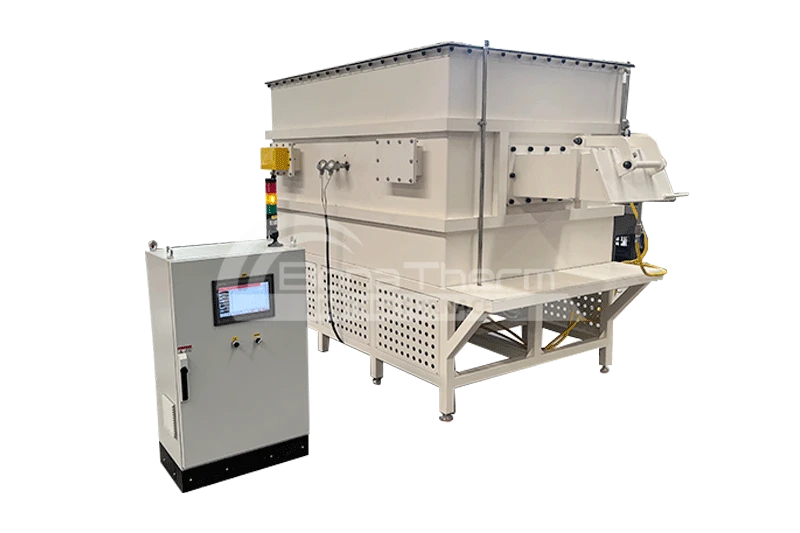
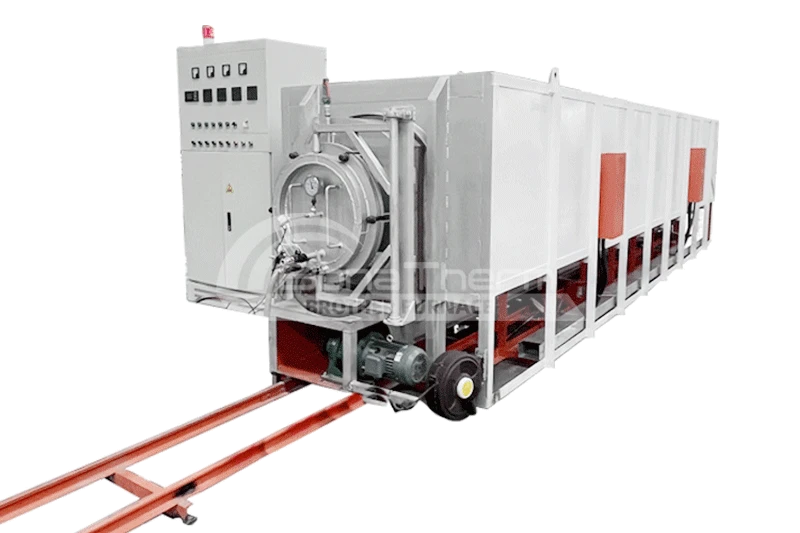
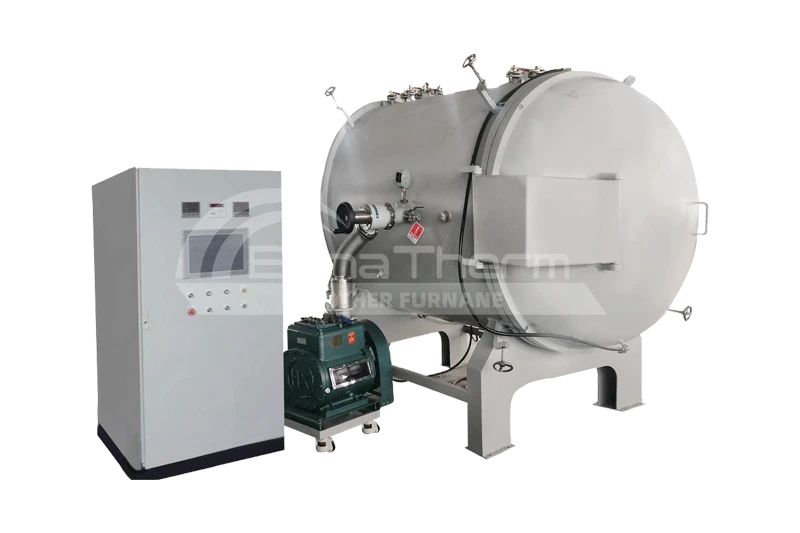
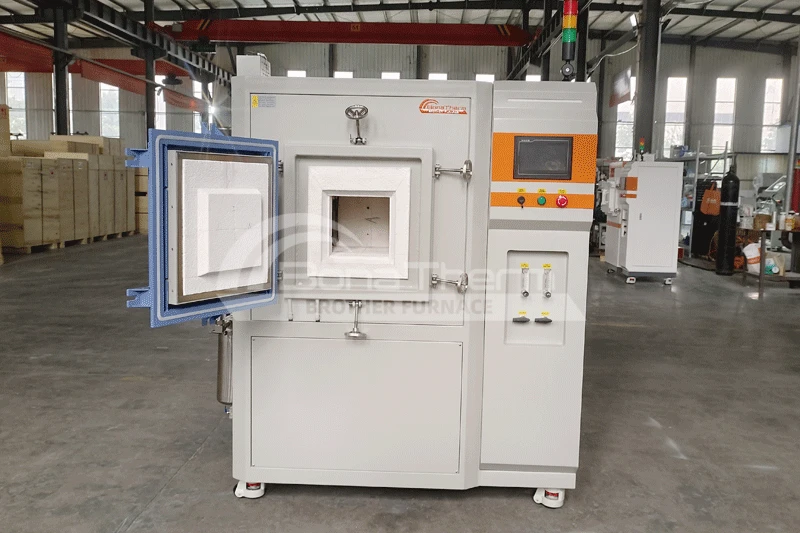
Brother Furnace atmosphere furnaces provide a controlled thermal environment that helps reduce unwanted exposure to oxygen during high-temperature processing, making them suitable for a wide range of laboratory, research, and industrial applications.
The Challenge: High-Temperature Oxidation
When a material is heated to high temperatures in air, oxygen can react with its surface. Depending on the material and process conditions, this may cause:
Surface oxidation and oxide scale
Surface discoloration
Unwanted chemical reactions
Changes to surface composition
Contamination during thermal processing
Less consistent experimental or production results
These problems can be particularly important when processing metals, alloys, powders, ceramics, electronic materials, and other oxidation-sensitive materials.
For applications where surface condition and process repeatability matter, simply using a high-temperature furnace may not be sufficient. A more controlled furnace atmosphere can provide a better environment for the thermal process.
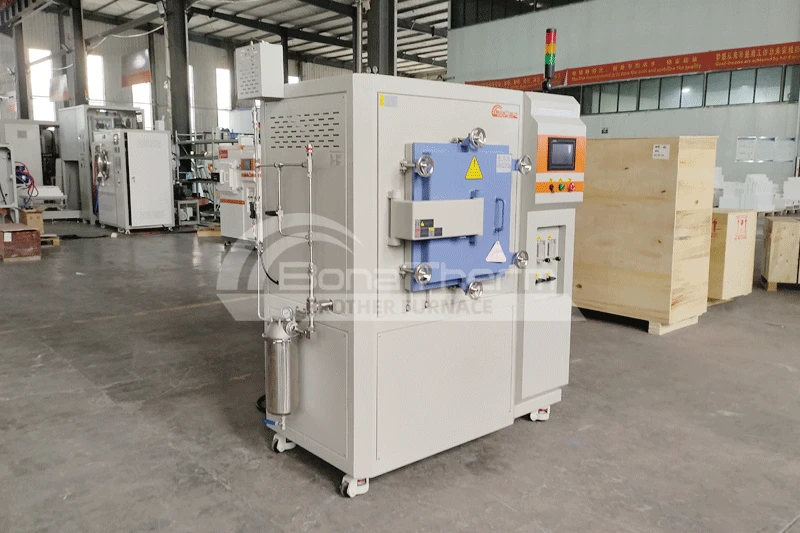
How a Brother Furnace Atmosphere Furnace Helps
A controlled atmosphere furnace is designed to control the environment surrounding the material during heating. Instead of exposing the sample directly to ambient air throughout the process, the furnace can be configured with gas inlet and purging systems to establish a controlled atmosphere.
A typical process can include:
1. Chamber sealing
The furnace chamber is designed to reduce unwanted air infiltration during operation.
2. Gas purging
Before heating or during the process, protective gas can be introduced to displace air from the chamber.
3. Protective atmosphere
Depending on the material and application, gases such as nitrogen (N₂) or argon (Ar) can be used to create a protective environment. Other gas configurations can also be considered according to specific process requirements.
4. Controlled heating
The temperature controller provides programmable heating and holding profiles, allowing the material to be processed according to the required thermal cycle.
Together, atmosphere control and precise temperature control help create a more stable environment for high-temperature thermal processing.
What Problems Can It Solve?
1. Reducing Surface Oxidation
One of the most common reasons to use an atmosphere furnace is to reduce unwanted oxidation during high-temperature heating.
By purging the chamber and introducing a suitable protective atmosphere, the material can be processed with less exposure to ambient oxygen than in a conventional air furnace.
This is particularly useful for oxidation-sensitive metals, alloys, powders, and other materials where surface condition is important.
2. Improving Heat Treatment Consistency
During annealing, stress relieving, and other heat treatment processes, uncontrolled atmospheric conditions can affect the surface of the material.
A controlled atmosphere heat treatment furnace combines temperature control with atmosphere control, helping provide more consistent processing conditions from one batch to another.
Typical applications include:
Metal annealing
Stress relieving
Heat treatment
Thermal aging
Materials research
3. Supporting Controlled Sintering
Sintering processes often require careful control of the thermal environment. For powder metallurgy, ceramics, and other advanced materials, unwanted oxidation during heating can affect the final result.
A controlled atmosphere sintering furnace can provide a protective environment using gases such as nitrogen or argon, depending on the material and process requirements.
This makes atmosphere-controlled heating useful for selected:
Powder metallurgy applications
Ceramic sintering
Advanced material development
Laboratory research
4. Protecting Materials During Laboratory Research
Researchers often need to study how materials behave under specific combinations of temperature and atmosphere.
A conventional muffle furnace provides heating in air, while an inert atmosphere furnace allows the researcher to introduce a controlled gas environment.
This can be valuable when developing new materials, evaluating thermal behavior, or conducting repeatable heat treatment experiments.
Choosing the Right Furnace Atmosphere
Different materials and processes may require different atmospheric conditions. Common options include:
Nitrogen Atmosphere
A nitrogen atmosphere furnace can be suitable for many general protective-atmosphere heat treatment and thermal processing applications.
Argon Atmosphere
An argon atmosphere furnace can be selected when a more inert environment is required for oxidation-sensitive materials.
Customized Gas Atmosphere
Some applications require specific gas compositions or process conditions. In these cases, the gas supply, flow control, chamber configuration, and safety systems can be designed according to the application.
The appropriate atmosphere depends on factors such as the material being processed, operating temperature, heating time, process requirements, and desired results.
Brother Furnace: Designed Around Your Process
At Brother Furnace, an atmosphere furnace is not simply selected according to its maximum temperature. The furnace configuration should match the customer's actual thermal process.
Key factors include:
Material type
Maximum operating temperature
Required chamber size
Heating and holding profile
Required atmosphere
Gas flow requirements
Application and production capacity
Based on these parameters, the furnace can be configured for laboratory research, material development, heat treatment, sintering, and other controlled-atmosphere applications.
A Controlled Environment for More Reliable Thermal Processing
High-temperature oxidation can be a significant challenge when materials are processed in air. By combining precise temperature control with a controlled furnace atmosphere, Brother Furnace atmosphere furnaces provide a practical solution for applications where protection from unwanted oxidation and stable processing conditions are important.
Whether the requirement is a laboratory-scale inert atmosphere furnace, a nitrogen atmosphere furnace for heat treatment, or a customized atmosphere furnace for sintering and advanced materials research, the right configuration depends on the specific process.
If you have a high-temperature oxidation problem or need a controlled atmosphere furnace for your application, feel free to contact Brother Furnace. Our team can recommend a suitable furnace configuration based on your material, temperature, atmosphere, chamber size, and process requirements.
- Pre: 1600°C Box-Type High Temperature Furnace Ready for Export from China
- Next: Sorry!